NDAA compliance: what it means and who requires it
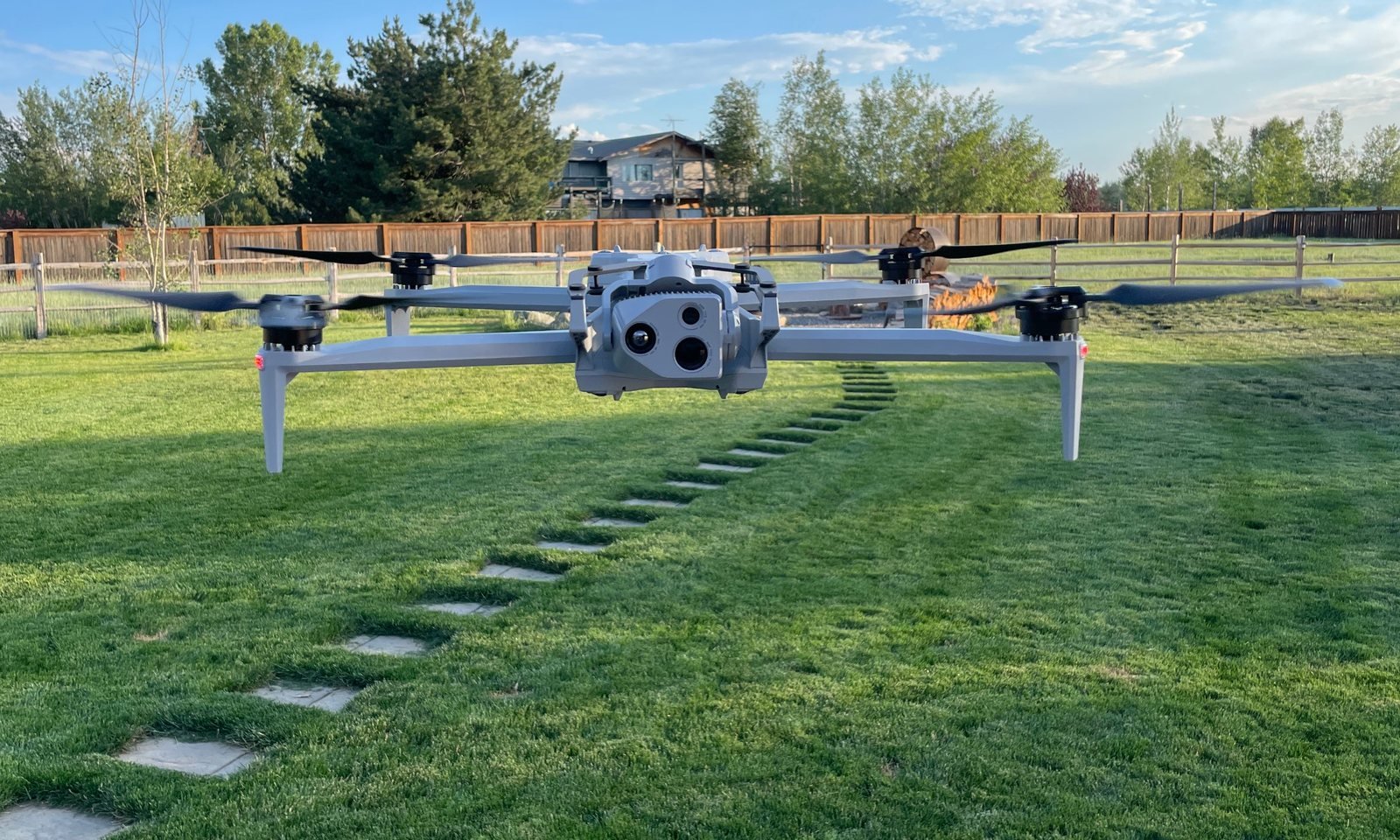
More solicitations now ask a question that did not appear a few years ago: which aircraft will fly the site? The answer they want is “NDAA compliant.” Here is what that means in practice.
Where the term comes from
The term traces to Section 848 of the fiscal 2020 National Defense Authorization Act, which bars the Department of Defense from buying or operating drones made in covered foreign countries. Those countries are China, Russia, Iran, and North Korea. Because the law names components, compliance is judged on parts such as flight controllers and gimbals, not only on the brand on the airframe.
Who requires it now
A later law, the American Security Drone Act, widened the reach. Since December 22, 2025, federal funds, including grants, loans, and cooperative agreements, cannot pay for drones made by covered foreign entities. Contractors must pass that restriction down to their subcontractors. The Federal Acquisition Security Council keeps the list of covered entities, and it is published on SAM.gov.
In practice, the trigger is the funding. If federal money is in the project, the aircraft matters, even when the owner is a state agency, a city, or a university. Private owners can write the same requirement into their own contracts.
Compliant is not the same as Blue UAS
The Blue UAS Cleared List is a separate, stricter review, and a drone can meet NDAA requirements without appearing on it. Read the solicitation to see which one it asks for.
What to ask your drone provider
Ask which aircraft and sensors will be on site, and ask for the compliance statement in writing. Ask before the flight, because data captured with the wrong aircraft may not be usable on the project.
LOD 600 flies NDAA-compliant aircraft on every job, so the question does not change the plan.